


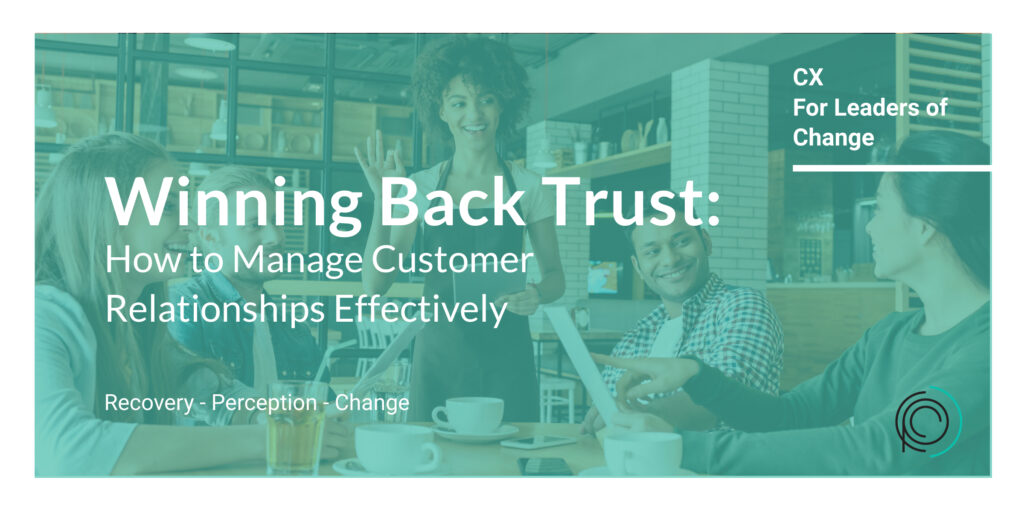
In the world of business, relationships are everything. And when it comes to customer relationships, nurturing them is a requirement if you want to keep them. Whether you’re a seasoned executive or a rising decision-maker, understanding how to manage customer relationships can make or break your success. Today, we’ll explore how to earn back the business of unsatisfied customers, modernize negative customer experiences, and the critical role your team plays in this transformation.
How Negative Customer Experiences Escalate
Negative customer experiences can escalate like wildfire, often spiralling out of control due to a combination of interconnected factors. Initially, poor service or product failure can lead to immediate disappointment; if not addressed promptly, this initial dissatisfaction can fester into deeper frustration. Today, customers have access to unparalleled platforms for expressing their grievances, from social media networks to dedicated review sites. A single negative comment can reach thousands of potential customers within moments, amplifying the impact of the issue significantly.
Moreover, the lack of timely and effective responses from your business can exacerbate the situation, leaving customers feeling undervalued and ignored. When their concerns are not acknowledged, it can deepen their dissatisfaction, leading them to escalate their complaints further. As negative sentiments spread through word-of-mouth and online channels, the repercussions of a negative experience can extend far beyond the individual customer, ultimately damaging your brand’s reputation and eroding trustworthiness in the marketplace.
Recognizing the importance of early intervention and proactive communication is essential in preventing these situations from escalating beyond recovery. Implementing effective customer service strategies, such as training staff to handle complaints empathetically and responding swiftly to feedback, can help mitigate potential issues. By fostering an environment where customers feel heard and valued, businesses can transform a negative experience into a positive one, potentially turning dissatisfied customers into loyal advocates. A commitment to transparency and accountability can significantly enhance your brand’s credibility, demonstrating that you genuinely care about customer satisfaction and are willing to resolve issues when they arise.
Building a Customer Recovery Plan
Understanding the Importance of a Recovery Plan
Every business faces challenges, and sometimes, those challenges lead to unsatisfied customers. These situations can arise from various factors, including product issues, service delays, or miscommunication. However, all is not lost. A well-structured customer recovery plan can be a game-changer, allowing you to win back those customers and, in some cases, even turn them into loyal advocates for your brand. This loyalty can translate into repeat business and positive word-of-mouth referrals, which are invaluable for growth.
But what exactly is a customer recovery plan? In essence, it’s a strategic approach designed to identify, address, and resolve customer grievances effectively. This plan often includes several key components, such as actively listening to customer feedback, responding promptly to complaints, and implementing changes based on their suggestions. Additionally, it may involve personalized follow-ups to ensure that the customer’s concerns are fully addressed, thereby demonstrating your commitment to their satisfaction. By prioritizing customer recovery, businesses can not only mend relationships but also foster a culture of continuous improvement, ultimately leading to long-term success.
Steps for Developing an Effective Recovery Plan
The first step in developing a customer recovery plan is to identify and acknowledge the problem. This means listening to your customers, understanding their concerns, and accepting responsibility where necessary. Once the problem is identified, the next step is to offer a solution. This could be in the form of a refund, a replacement, or an apology, depending on the nature of the issue. Furthermore, address the issue to prevent it from occurring with other customers in the future.
The Role of Communication in Recovery
Communication is the backbone of any recovery plan. It’s important to keep your customers informed throughout the process. Regular updates, transparent communication, and genuine empathy can go a long way in rebuilding trust. Remember, it’s not just about resolving the issue; it’s about showing your customers that you care.
Changing Customer Perception
The Impact of Negative Customer Experiences
Negative customer experiences can have a lasting impact on your business, often echoing far beyond the initial interaction. Such experiences can tarnish your brand reputation, which is crucial when word-of-mouth spreads rapidly through social media and online reviews. When customers have a bad experience, it not only affects their loyalty but can also lead to a ripple effect, discouraging potential customers from engaging with your brand. Ultimately, this can hurt your bottom line as repeat business is lost and new customer acquisition becomes more challenging.
However, it’s never too late to change customer perception and rebuild trust. The key is to first acknowledge past mistakes transparently. This displays accountability and honesty, which customers appreciate. Next, address these issues head-on by implementing real solutions that directly tackle the problems faced by your customers. Communicating these changes clearly to your audience can help to demonstrate your commitment to improvement. By taking these steps, businesses can turn negative experiences into opportunities for growth, enhancing customer satisfaction and fostering long-term loyalty.
Strategies for Modernizing Customer Experience
Modernizing customer experience begins with a deep understanding of your customer’s needs and expectations. This crucial first step involves gathering feedback through surveys, interviews, and social media interactions, as well as analyzing customer behavior using data analytics and insights. Staying abreast of industry trends is equally important, as it allows you to anticipate changes and adapt accordingly.
Once you have a clear understanding of what your customers want, you can begin implementing meaningful changes. This may involve upgrading your technology to enhance user experience, such as integrating advanced customer relationship management (CRM) systems or employing artificial intelligence to provide personalized recommendations. Improving your customer service is also vital; this could mean training staff to be more responsive, empathetic, and knowledgeable. Additionally, consider expanding your offerings by introducing new products or services that align with customer desires, which can help create a more engaging and satisfying experience. By taking these steps, you not only modernize your customer experience but also build stronger relationships and foster loyalty among your clientele.
Communicating Changes to Customers
It’s not enough to simply implement changes; effectively communicating these changes to your customers is crucial. This process involves not only explaining what you have done differently but also detailing why these changes matter and how they will enhance their overall experience. It’s important to clarify the benefits they can expect, whether that’s improved service, innovative features, or increased efficiency.
Transparency is key in this dialogue. The more open and honest you are with your customers, the greater their trust in your brand will be. Providing clear avenues for feedback and inviting questions can further strengthen this relationship. Additionally, utilizing multiple communication channels—such as emails, social media, or in-app notifications—can ensure that your message reaches a wider audience effectively. Ultimately, fostering a culture of communication not only helps customers feel valued and informed but can also lead to increased loyalty and satisfaction over time.
Empowering Your Team
The Role of Your Team in Customer Relationship Management
Your team plays a crucial role in managing customer relationships. They are the ones who interact with your customers on a daily basis, and their actions can significantly impact customer perception. Therefore, it’s important to ensure that your team is aligned with your customer relationship management goals.
Training and Development
Investing in training and development is crucial for empowering your team. This involves equipping them with the skills and knowledge they need to handle customer interactions effectively. This could include training on communication skills, conflict resolution, and customer service best practices.
Creating a Customer-Centric Culture
Creating a customer-centric culture within your organization is another important step. This involves fostering a mindset that prioritizes customer satisfaction in every aspect of your business. From product development to marketing to customer service, every decision should be made with the customer in mind.
Measuring the Success of Your Efforts
Tracking Key Performance Indicators (KPIs)
To ensure that your efforts are paying off, it’s important to track key performance indicators (KPIs). These could include metrics like customer satisfaction scores, customer retention rates, and Net Promoter Scores (NPS). Regularly monitoring these metrics can help you identify areas for improvement and make necessary adjustments.
Gathering Customer Feedback
Customer feedback is invaluable when it comes to managing customer relationships. Regularly soliciting feedback can provide you with insights into how your customers feel about your products or services, what they like, and what they think could be improved. This feedback can then be used to inform your strategies and make necessary improvements.
Celebrating Successes
Finally, don’t forget to celebrate your successes. Recognizing and celebrating the positive impact of your efforts can boost morale and motivate your team to continue delivering exceptional customer service. Whether it’s through internal recognition programs or sharing success stories with your customers, celebrating successes can help reinforce a positive customer-centric culture.
Conclusion
Managing customer relationships is a multifaceted task that requires a strategic approach, effective communication, and a dedicated team. By building a robust customer recovery plan, modernizing customer experiences, and empowering your team, you can win back the business of unsatisfied customers and foster long-lasting relationships. Remember, every challenge presents an opportunity for growth. Embrace these opportunities, and you’ll not only improve customer satisfaction but also drive your business toward greater success.
Ready to take your customer relationship management to the next level? Start by implementing these strategies today and watch your customer relationships thrive. For more insights and personalized advice, consider reaching out to our team of experts. We’re here to help you every step of the way.