


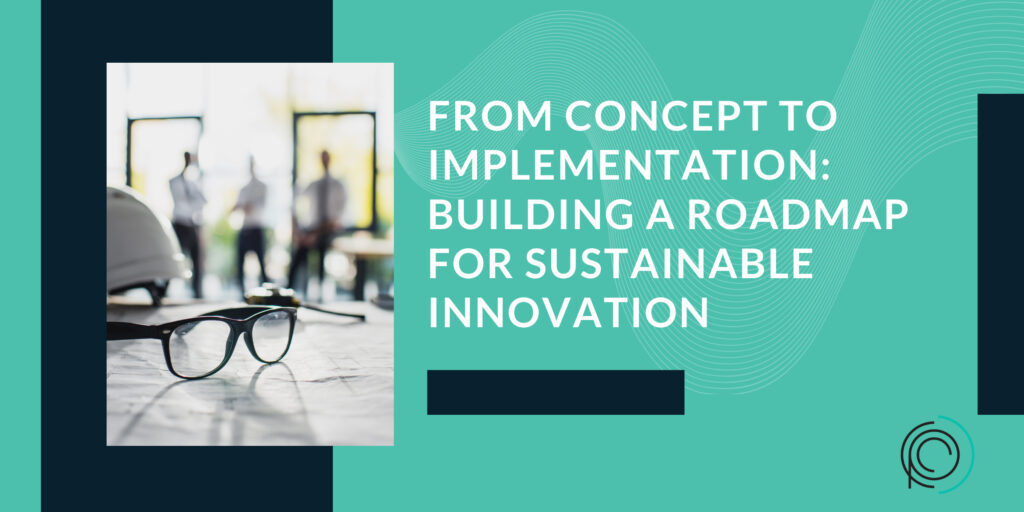
Innovation is the lifeblood of any successful business, driving growth and maintaining competitive advantage in a rapidly evolving marketplace. However, transforming groundbreaking ideas into actionable plans presents a complex and often daunting challenge for many organizations. For decision-makers, the task of fostering and implementing sustainable innovation can feel like navigating a maze, filled with twists, turns, and potential pitfalls.
This strategic guide is designed to walk you through the intricate process of building a comprehensive roadmap that takes you from the initial spark of an idea to its successful implementation. We will explore key concepts such as identifying market needs, leveraging technology, and engaging cross-functional teams to ensure that your innovation strategy is both sustainable and scalable. By following these steps, you can create a culture of innovation that not only generates fresh ideas but also effectively brings them to life, ensuring a lasting impact on your business’s future success.
The Challenge of Translating Innovative Ideas into Action
Innovation begins with ideas—bright sparks of creativity that promise to transform and elevate your business. However, the road from concept to implementation is fraught with obstacles. The initial excitement around a new idea can quickly wane when faced with practical challenges such as resource allocation, risk management, and organizational resistance.
Understanding these challenges is the first step towards overcoming them. By recognizing the complexities involved in translating innovative ideas into actionable plans, decision-makers can better prepare for the journey ahead. This preparation involves not just logistical planning but also fostering a culture that embraces change and innovation.
Innovation requires more than just a good idea; it demands a well-thought-out strategy that includes clear objectives, realistic timelines, and measurable outcomes. This strategic approach ensures that innovative ideas are not just conceived but also nurtured and developed into tangible results.
Why Sustainability is Key for Long-Term Innovation
Sustainability is more than just a passing trend; it has significantly influenced the environmental impact of large corporations, the behaviors of conscious consumers, and the management of human capital over the past decade. It is a vital element of any long-term innovation strategy, influencing organizations of all sizes, from small businesses to mid-market firms. Sustainable innovation involves developing products, processes, and business models that do not deplete resources or harm the environment, ensuring that they remain viable in the long term.
Incorporating sustainability into your innovation process offers a multitude of benefits that can greatly impact your business. First and foremost, it aligns with the increasing consumer demand for environmentally responsible products and practices. Today’s consumers are more informed and conscious about their choices, often seeking brands that prioritize sustainability. By meeting this demand, companies can build stronger customer loyalty and attract a broader audience.
Moreover, integrating sustainable practices can lead to significant cost savings through improved efficiency and resource management. For instance, optimizing resource use not only reduces waste but can also lower operational costs. Implementing eco-friendly technologies and processes often results in long-term financial benefits that enhance overall profitability.
Finally, adopting sustainability as a core principle fosters a positive brand image, showcasing your company as a responsible and forward-thinking entity. This reputation can provide a competitive edge in the marketplace, helping you stand out in an increasingly crowded industry. Consumers are more likely to support brands that demonstrate a commitment to sustainability, making it a strategic advantage that can drive growth and success.
By prioritizing sustainability, businesses can ensure that their innovations are not only successful but also enduring. This approach helps in building a resilient organization that can adapt to changing market conditions and continue to thrive.
Steps for Building a Sustainable Innovation Roadmap
Idea Generation and Capturing Creativity from All Levels of the Organization
Innovation should not be the sole responsibility of a dedicated team or department; it should be a company-wide endeavor. Encouraging creativity at all levels of the organization ensures a diverse range of ideas and perspectives, leading to more robust and innovative solutions.
Creating an environment where employees feel empowered to share their ideas is crucial. This can be achieved through regular brainstorming sessions, idea submission platforms, and incentives for innovative thinking. Additionally, fostering a culture of openness and collaboration encourages cross-functional teams to work together and contribute to the innovation process.
Once ideas are generated, it is essential to capture and document them systematically. This helps in tracking the progress of each idea and ensures that valuable insights are not lost in the shuffle. Utilizing digital tools and platforms can streamline this process and make it more efficient.
Evaluating the Feasibility of Innovative Ideas: Resources, Risks, and ROI
Not all ideas are created equal. Evaluating the feasibility of each innovative idea is a critical step in the innovation process. This evaluation involves assessing the resources required, potential risks, and expected return on investment (ROI).
Conducting a thorough feasibility analysis helps in identifying potential roadblocks and determining whether an idea is worth pursuing. This analysis should consider factors such as financial costs, time constraints, technical requirements, and market potential. Additionally, it is important to assess the alignment of the idea with the company’s strategic goals and values.
Risk assessment is another vital component of feasibility evaluation. Identifying and mitigating potential risks ensures that the innovation process is not derailed by unforeseen challenges. Developing contingency plans and strategies for risk management can help navigate uncertainties and maintain momentum.
Developing a Step-by-Step Implementation Plan with Clear Milestones
A well-defined implementation plan is essential for turning innovative ideas into reality. This plan should outline the steps required to develop and launch the innovation, along with clear milestones and timelines.
Breaking down the implementation process into manageable phases makes it more achievable and helps in maintaining focus and direction. Each phase should have specific objectives, deliverables, and performance metrics to track progress and measure success.
Effective communication and collaboration are key to successful implementation. Ensuring that all stakeholders are aligned and informed throughout the process helps in addressing any issues that arise and keeps the project on track. Regular updates and feedback loops facilitate continuous improvement and adaptation.
Building for Long-Term Success
Incorporating Scalability into the Innovation Process
Scalability is a crucial factor in ensuring the long-term success of any innovation. An idea that works well on a small scale may not necessarily be effective when expanded to a larger audience or market. Therefore, it is important to design innovations with scalability in mind.
This involves creating flexible and adaptable solutions that can grow and evolve with the business. Considering factors such as infrastructure, resource availability, and market demand helps in developing scalable innovations. Additionally, leveraging the right technology and automation can enhance scalability and improve efficiency. Ensure you complete the necessary groundwork before impulsively choosing software to aid in this endeavor.
By planning for scalability from the outset, businesses can avoid potential pitfalls and ensure that their innovations can succeed on a larger scale. This proactive approach helps in maximizing the impact and reach of innovative solutions.
Ensuring Stakeholder Buy-In and Organizational Alignment
For innovation to be successful, it requires the support and buy-in of all stakeholders. This includes not only top management but also employees, customers, partners, and investors. Building a coalition of support ensures that the innovation process is backed by the necessary resources and commitment.
Effective communication is key to gaining stakeholder buy-in. Clearly articulating the vision, goals, and benefits of the innovation helps in building enthusiasm and support. Additionally, involving stakeholders in the innovation process and seeking their input fosters a sense of ownership and collaboration. It’s important to establish your communication plan as a routine task, ensuring that all stakeholders are informed about the project’s progress and what to anticipate moving forward.
Organizational alignment is also critical for successful innovation. Ensuring that the innovation strategy aligns with the company’s overall mission and values helps in creating a cohesive and unified approach. This alignment facilitates smoother execution and enhances the likelihood of success.
Continuous Monitoring and Iteration: Adapting the Roadmap as Necessary
Innovation is not a one-time event; it is an ongoing process that demands continuous monitoring and iteration. How can you ensure your team maintains an innovative mindset? By consistently reviewing and assessing the innovation roadmap, you can ensure it remains relevant and effective amidst evolving market conditions and business needs.
This involves tracking key performance indicators (KPIs) and metrics to measure the success of the innovation. Collecting and analyzing data helps in identifying areas for improvement and making data-driven decisions. Additionally, seeking feedback from stakeholders and customers provides valuable insights for refining and enhancing innovation.
Adapting the innovation roadmap as necessary ensures that it remains dynamic and responsive. This iterative approach helps in addressing challenges, seizing opportunities, and sustaining momentum. By fostering a culture of continuous improvement, businesses can stay ahead of the curve and thrive in an ever-evolving landscape.
Conclusion
Sustainable innovation is essential for businesses seeking to achieve long-term success and competitive advantage. By following a strategic roadmap that encompasses idea generation, feasibility evaluation, and step-by-step implementation, decision-makers can turn innovative concepts into reality.
Incorporating sustainability, scalability, and stakeholder buy-in into the innovation process ensures that innovations are not only successful but also enduring. Continuous monitoring and iteration further enhance the effectiveness and relevance of the innovation roadmap.
By prioritizing sustainable innovation, businesses can build a resilient and adaptable organization that thrives in the face of change. Contact one of our consultants today and take the first step towards sustainable innovation.